
If you’ve lost a tooth or you’re at risk of losing one you may have heard that jawbone loss comes with the territory. What most people don’t realize is that tooth loss and bone loss are closely connected, and that dental implants in Panama City are one of the most effective ways to stop that process before it changes your face, your bite, and your confidence.
At St. Andrews Dental Center, we help patients in Panama City, FL understand not just what implants are, but what they actually do for your long-term oral health. This guide breaks it down in plain language so you can make an informed decision.
What Happens to Your Jawbone When You Lose a Tooth?
Your jawbone isn’t static. It constantly rebuilds itself in response to the pressure and stimulation it receives from your teeth. Every time you chew, bite, or speak, your tooth roots send signals through the jaw that tell your body: keep regenerating bone here.
When a tooth is lost, that signal disappears.
Within the first 12 months after tooth loss, the jaw can lose up to 25% of its bone volume in that area. Over the following years, the deterioration continues gradually changing the shape of your face, weakening surrounding teeth, and making future dental work more complicated and expensive.
This process is called alveolar bone resorption, and it’s one of the most overlooked consequences of missing teeth.
How Dental Implants Prevent Bone Loss
The Secret Is in the Root
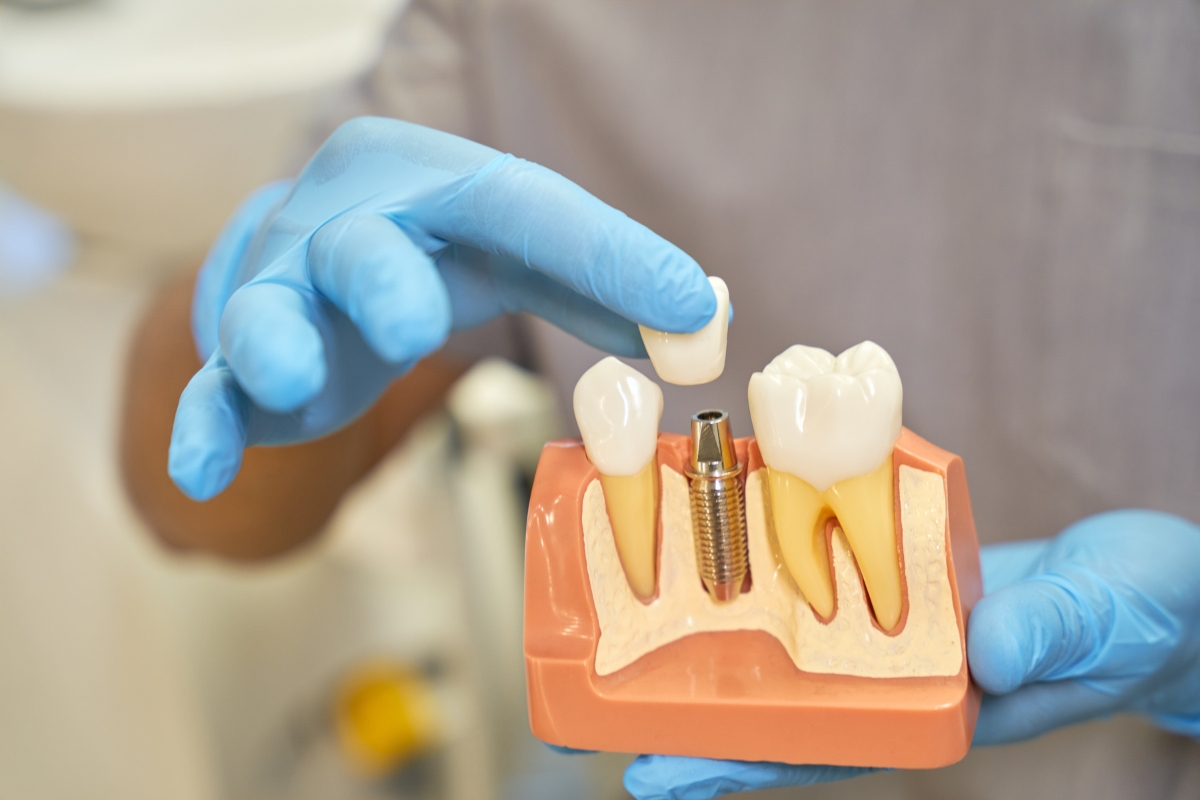
Unlike dentures or dental bridges, dental implants in Panama City replace more than just the visible part of a tooth. A titanium post is surgically placed directly into your jawbone, acting as an artificial tooth root.
That titanium post does something remarkable: it integrates with your bone through a process called osseointegration. Once bonded, it mimics the function of a natural tooth root transmitting the forces of chewing and biting back into the jaw, which keeps the bone stimulated and alive.
No other tooth replacement option does this.
What Other Options Miss
- Dentures rest on the gumline and provide no stimulation to the underlying bone loss continues beneath them.
- Bridges anchor to adjacent teeth but leave the gap beneath them unstimulated, meaning bone loss still occurs in the missing tooth’s space.
- Doing nothing accelerates the process the most, often leading to a sunken facial appearance and shifting of remaining teeth.
Dental implants are the only restorative solution that actively prevents bone deterioration rather than simply masking the gap.
Signs You May Already Be Experiencing Bone Loss
If you’ve had a missing tooth for some time, your body may already be showing signs of bone resorption. Watch for:
- A noticeably sunken or aged appearance around the cheeks or jaw
- Dentures that no longer fit as snugly as they used to
- Shifting or loosening of remaining teeth
- Difficulty chewing certain foods
- Changes in your bite that feel “off”
If any of these apply to you, it’s worth scheduling a consultation at St. Andrews Dental Center to assess your bone density and discuss whether implants are still a viable option for you.
Am I a Good Candidate for Dental Implants in Panama City?
Most healthy adults with one or more missing teeth are excellent candidates. The key factors your dentist will evaluate include:
- Sufficient jawbone density: Adequate bone is needed to securely support and stabilize the dental implant.
- Healthy gums: Healthy gum tissue and the absence of active periodontal disease help support successful healing.
- Good overall health: Certain health conditions, such as uncontrolled diabetes, may affect healing and implant success.
- Non-smoker status: Smoking can interfere with healing and significantly increase the risk of dental implant complications.
If bone loss has already occurred, you may still qualify for implants after a bone grafting procedure, which rebuilds the lost volume before implant placement. Our team at St. Andrews Dental Center evaluates each patient individually there’s no one-size-fits-all answer.
The Long-Term Value of Choosing Implants
Dental implants represent a meaningful investment and one that pays off over time.
Consider this: while bridges or dentures may need to be replaced every 5 to 10 years, a well-maintained implant can last 20 to 30 years or more. They require no special cleaning solutions, no removal at night, and no adhesive creams. You brush and floss them just like natural teeth.
More importantly, by preserving your jawbone, implants protect your other teeth, maintain your facial structure, and reduce the risk of the cascading dental problems that often follow prolonged tooth loss. For patients in Panama City, FL seeking a permanent, health-preserving solution, implants consistently outperform every alternative.
Why Panama City Patients Trust St. Andrews Dental Center
At St. Andrews Dental Center, located in Panama City, FL 32405, our approach to implant dentistry is rooted in education, precision, and patient-centered care. We take time to explain every step of the process from initial imaging and bone assessment to implant placement and final crown placement.
We understand that dental decisions can feel overwhelming, especially when cost or anxiety is a concern. That’s why we offer thorough consultations where you can ask every question you have before committing to any treatment.
Contact us today for your appointment and take the first step toward a stronger, healthier smile that lasts a lifetime.
Real Questions From Our Panama City Patients
Is dental implant surgery painful?
Most patients are surprised by how manageable the experience is. The procedure is performed under local anesthesia, so you won’t feel pain during surgery. Mild soreness and swelling for a few days afterward are normal and typically managed with over-the-counter pain relievers. Many patients return to their normal routine within a day or two.
How long does the entire implant process take?
The timeline varies by patient, but from implant placement to your final crown, the process generally takes 3 to 6 months. This allows adequate healing time for osseointegration the bonding of the implant to your jawbone. If bone grafting is needed first, the timeline may extend slightly.
What if I’ve already lost significant bone can I still get implants?
In many cases, yes. A bone graft can restore the lost volume and create a stable foundation for an implant. Our team at St. Andrews Dental Center will take detailed imaging to determine the extent of bone loss and design a treatment plan that works for your specific situation.
Will my dental insurance cover implants in Panama City?
Coverage varies widely by plan. Some insurance providers cover portions of the procedure such as the crown while others may not include implants at all. We recommend calling your provider before your appointment. Our front office team can also help you understand your benefits and explore financing options if needed.
How do I care for dental implants after they’re placed?
Dental implants are cared for just like natural teeth brush twice daily, floss regularly, and attend your routine dental check-ups. Avoiding smoking and managing conditions like diabetes can also significantly improve long-term implant success. With proper care, your implant can last decades.
Take the Next Step Toward a Healthier Smile
Bone loss after tooth loss isn’t inevitable it’s preventable. Dental implants in Panama City offer a proven, lasting solution that protects your oral health from the inside out. Whether you’ve just lost a tooth or you’ve been living with a gap for years, it’s not too late to act.
St. Andrews Dental Center is here to guide you through every step with expertise and compassion. Visit us and discover how a single implant can protect decades of your dental health.