
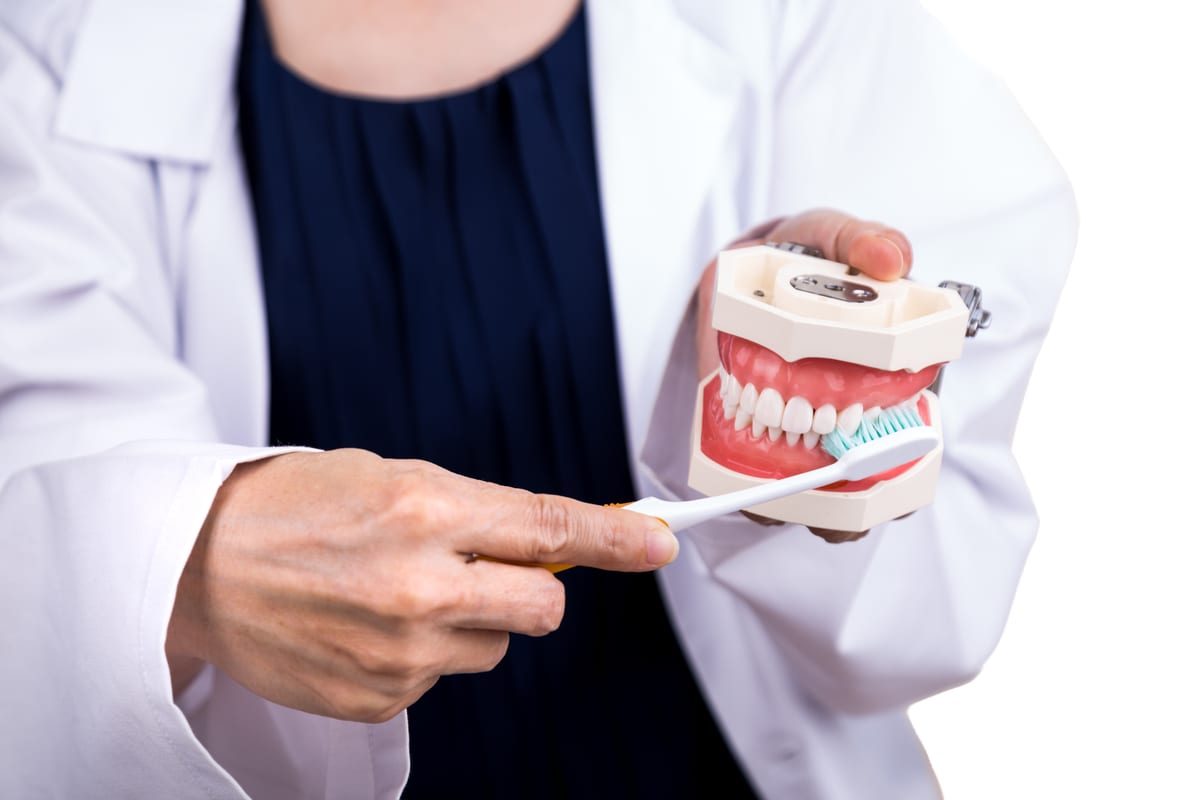
Many patients in Pretty Bayou leave a dental cleaning feeling refreshed — but also confused. Their teeth look brighter, yet some stains remain. Understanding what your dental cleaning can and cannot remove from your teeth in Pretty Bayou helps you set realistic expectations. At St Andrews Dental Center, Dr. Justin Smith wants every patient to walk out informed, not disappointed.
A professional cleaning does far more than a toothbrush ever can. But it does have limits. Knowing those limits helps you make smarter decisions about your smile — and whether additional cosmetic treatment might be right for you.
What a Professional Dental Cleaning Actually Does in Pretty Bayou
A dental cleaning involves two main steps: scaling and polishing. During scaling, your hygienist removes hardened plaque called tartar. Tartar cannot be brushed away at home once it forms on teeth.
After scaling, your hygienist uses a gritty polishing paste on a rotating tool. This paste buffs away soft surface deposits and light staining. The result is a noticeably smoother, cleaner tooth surface.
Here is what a standard dental cleaning can typically remove:
- Soft plaque buildup along the gumline
- Hardened tartar deposits above and just below the gumline
- Light surface stains from coffee, tea, or wine
- Food debris lodged between teeth and along gumline
- Mild discoloration caused by everyday buildup
These results are genuinely meaningful for your oral health. Removing tartar reduces your risk of gum disease. Polishing makes it harder for new plaque to stick. Both steps together leave your mouth healthier — not just cleaner-feeling.
What Dental Cleanings Cannot Remove From Your Teeth
This is where many patients feel let down — and it is completely understandable. A cleaning is not a whitening treatment. These are two very different procedures with different goals.
Surface stains that have penetrated the outer enamel layer are beyond what polishing paste can reach. Years of coffee drinking, smoking, or consuming dark-pigmented foods create deeper discoloration. A cleaning will not reverse that kind of staining.
Additionally, internal tooth discoloration — called intrinsic staining — cannot be addressed by cleaning at all. This type of staining comes from inside the tooth itself. Causes include certain medications, trauma to the tooth, or natural aging of the enamel.
Here is a clear list of what cleanings typically cannot remove:
- Deep enamel stains from years of coffee, tea, or tobacco use
- Intrinsic (internal) discoloration from medications like tetracycline
- Yellowing caused by natural enamel thinning with age
- Staining embedded within old dental restorations
- Discoloration from tooth trauma or nerve changes
Being honest about these limitations is part of patient-centered care. Dr. Justin Smith and the team at St Andrews Dental Center will always explain exactly what your cleaning can accomplish before you sit down in the chair.
When Cosmetic Treatments May Be the Right Next Step
If a cleaning does not achieve the brightness you hoped for, cosmetic options can help. Professional teeth whitening is the most common next step. It uses a stronger bleaching agent to break up deep stain molecules within the enamel.
For patients in Pretty Bayou exploring options beyond cleaning, Cosmetic Dentistry Pretty Bayou at St Andrews Dental Center offers a range of solutions. These include professional whitening, veneers, and bonding — each designed to address what cleanings simply cannot reach.
Whitening treatments work best on natural tooth enamel. They are less effective on crowns, veneers, or composite fillings. Your dentist will help you understand which option fits your specific situation.
Cosmetic dentistry is not about vanity — it is about confidence. When you feel good about your smile, you are more likely to maintain good oral hygiene habits. That is a real health benefit, not just an aesthetic one.
How to Keep Your Teeth Brighter Between Cleanings
Your habits between appointments matter enormously. A few simple changes can slow the rate of stain buildup significantly. Small, consistent actions protect your cleaning results for longer.
Rinsing your mouth with water after drinking coffee or tea helps dilute staining agents before they settle. Using a straw for dark beverages reduces how much liquid contacts your enamel directly. Brushing twice daily with a whitening toothpaste can also help maintain surface brightness.
Regular six-month checkups at St Andrews Dental Center keep buildup from becoming severe. The longer tartar sits on teeth, the harder it becomes to remove — and the more likely it is to cause gum inflammation. Consistency is your best tool for a consistently clean smile.
For families with younger children, building good habits early pays off for a lifetime. Kid Friendly Dentistry Pretty Bayou at St Andrews Dental Center helps children learn proper brushing and develops positive associations with dental visits from a young age.
What to Expect at Your Next Cleaning Appointment
Knowing what the appointment involves makes it far less stressful. A typical cleaning visit at St Andrews Dental Center takes between 45 and 60 minutes. Dr. Justin Smith’s team walks you through every step clearly.
Your hygienist will begin with a gentle examination of your gums and teeth. They will then scale any tartar deposits carefully and methodically. Polishing comes next, followed by flossing and a fluoride treatment if recommended.
After the cleaning, Dr. Smith may discuss any areas of concern. This is also the ideal time to ask about whitening options if surface brightness is a goal for you. The conversation is always educational and never pressured.
Understanding what your dental cleaning can and cannot remove from your teeth in Pretty Bayou empowers you to take the right next steps for your smile. Knowledge is the foundation of good dental care — and you deserve both.
Schedule Your Cleaning at St Andrews Dental Center
At St Andrews Dental Center, Dr. Justin Smith and his team are committed to honest, patient-focused care. Whether you are coming in for a routine cleaning or exploring cosmetic options, you will always leave with clear answers. We proudly serve patients across Pretty Bayou and the greater Panama City, FL area. Book Now to schedule your appointment with our team.
Frequently Asked Questions
Will a dental cleaning whiten my teeth?
A dental cleaning can remove light surface stains and polish your teeth, which may make them look slightly brighter. However, it is not a whitening treatment. Deep or intrinsic staining requires professional whitening or other cosmetic procedures to address effectively.
How often should I get a dental cleaning in Pretty Bayou?
Most adults benefit from a professional cleaning every six months. Patients with gum disease or a history of heavy buildup may need more frequent visits. Dr. Justin Smith will recommend the right schedule based on your individual oral health needs.
What is the difference between tartar and surface stains?
Tartar is hardened plaque that calcifies on the tooth surface over time — a hygienist must remove it with special tools. Surface stains are discolorations on the outer layer of enamel caused by food, beverages, or tobacco. Both can be partially addressed during a cleaning, but only surface stains relate to tooth color.
Can children benefit from professional dental cleanings?
Absolutely. Professional cleanings are just as important for children as they are for adults. They remove buildup that brushing misses and give the dentist a chance to monitor developing teeth. St Andrews Dental Center offers kid-friendly dental care designed to make young patients feel comfortable and at ease.
When should I consider professional teeth whitening instead of a cleaning?
If your teeth remain yellowed or stained after a professional cleaning, whitening may be the appropriate next step. This is especially true if the discoloration has built up over many years or involves deep enamel staining. Ask Dr. Smith during your cleaning appointment to discuss whether whitening is a good fit for your smile goals.