
Losing a tooth can be a frustrating experience, impacting not only your smile but also your confidence, speech, and ability to eat comfortably. Fortunately, modern dentistry offers a variety of options to replace missing teeth, with dental implants standing out as one of the most popular and effective solutions. But are dental implants worth the investment? In this blog, we’ll explore what dental implants are, their benefits, potential downsides, and whether they could be the right choice for you.
What Are Dental Implants and How Do They Work?
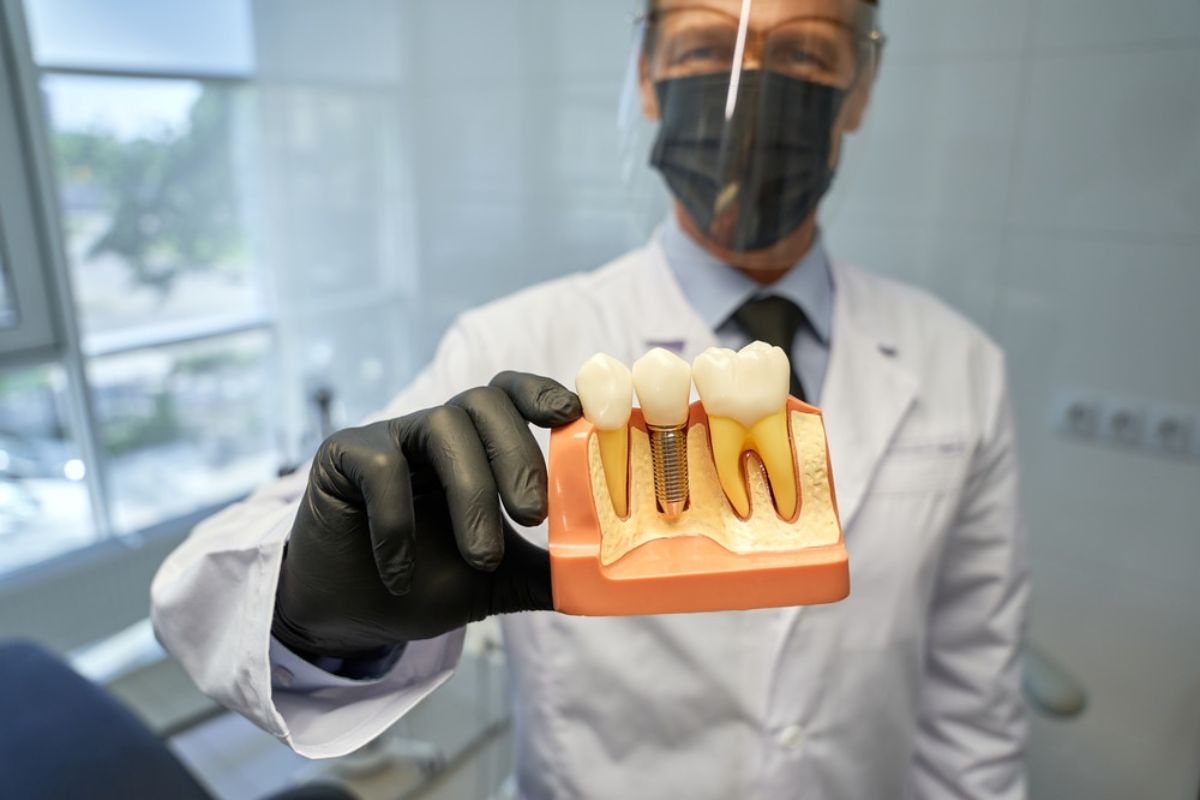
Dental implants are artificial tooth roots, usually made of titanium, that are surgically placed into your jawbone. Once the implant has fused with the bone, a process known as osseointegration, a crown, bridge, or denture is attached to the top. This gives you a fully functional and natural-looking tooth replacement.
The Benefits of Dental Implants
1. Long-Term Durability
Unlike other tooth replacement options, such as dentures or bridges, dental implants are built to last. With proper care, they can last decades or even a lifetime, making them a long-term investment in your oral health.
2. Natural Look and Feel
Dental implants are designed to look, feel, and function just like natural teeth. You won’t have to worry about slippage or discomfort, which are common complaints with dentures.
3. Improved Oral Health
Implants don’t require the alteration of neighboring teeth, unlike traditional bridges. This preserves more of your natural tooth structure. Additionally, because implants stimulate the jawbone, they help prevent bone loss, which can occur when teeth are missing.
4. Better Functionality
With dental implants, you can chew, speak, and smile confidently. There’s no fear of them falling out or affecting your speech, common problems with removable dentures.
5. A Boost in Confidence
Many patients report a significant increase in self-esteem and quality of life after getting implants. A complete, healthy-looking smile can make a big difference in how you see yourself.
Are There Any Downsides?
1. Higher Initial Cost
Dental implants tend to be more expensive upfront compared to bridges or dentures. However, when you consider their longevity and the reduced need for future dental work, many find the cost justifiable.
2. Time-Intensive Process
Getting a dental implant is not a quick fix. The process can take several months, including healing time. This can be a drawback for people looking for an immediate solution.
3. Surgical Risks
As with any surgery, there are minor risks such as infection, nerve damage, or implant failure. That said, dental implant surgery has a high success rate (above 95%) when performed by experienced professionals.
How Do Implants Compare to Other Options?
| Feature | Dental Implants | Bridges | Dentures |
|---|---|---|---|
| Lifespan | 15+ years | 5-10 years | 5-8 years |
| Bone Preservation | Yes | No | No |
| Affects Other Teeth | No | Yes | No |
| Stability | Very stable | Moderate | Can slip |
| Cost | High | Moderate | Low |
Final Thoughts
Tooth loss can affect more than your appearance; it can impact your speech, your ability to eat, and even your confidence. Dental implants offer a comprehensive solution that restores more than just your smile. At St. Andrews Dental Center, we help patients find long-lasting, natural-feeling tooth replacement options that support both comfort and confidence.