
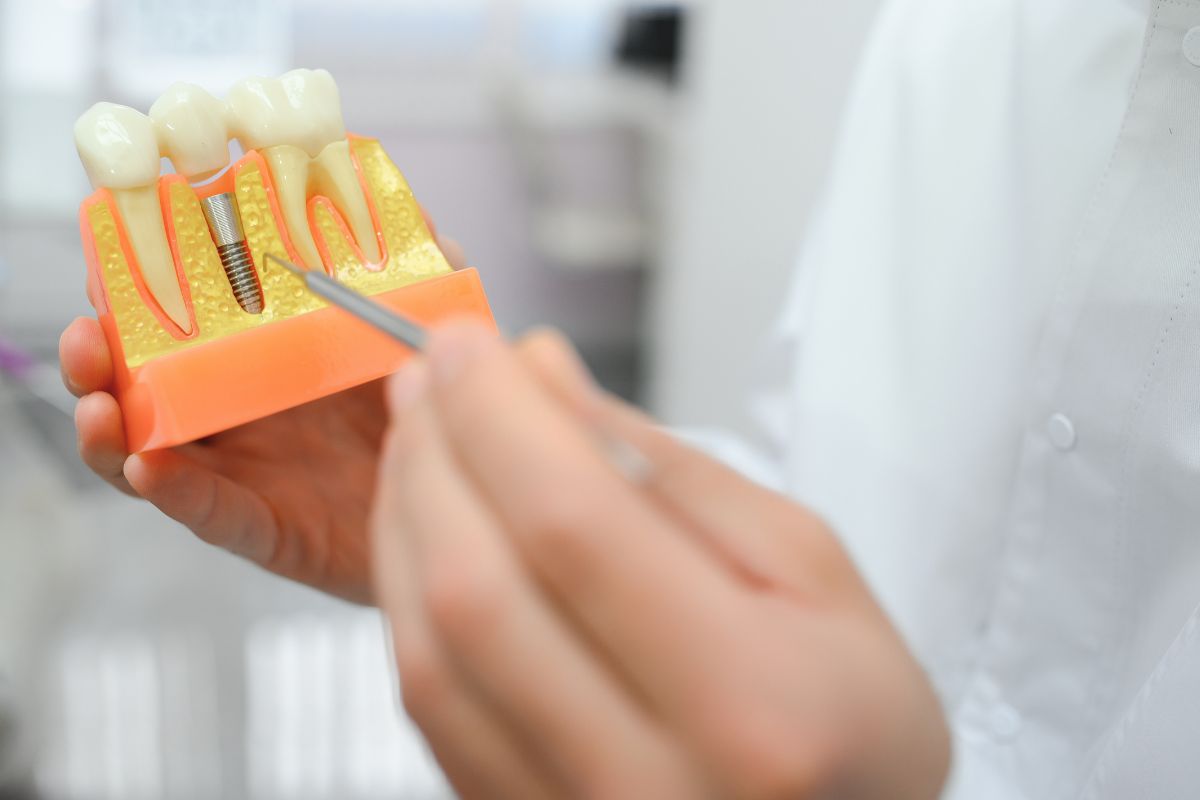
Thinking about getting a dental implant? You’re not alone. Millions of people choose dental implants every year to restore their smiles, confidence, and ability to eat comfortably. But while implants boast an impressive success rate often above 95% not every patient’s experience is the same. One factor that doesn’t get enough attention is the role bacteria play in determining whether your dental implant thrives or fails. Understanding this connection could make all the difference for your long-term outcome.
Why Bacteria Matter More Than You Think
Your mouth is home to over 700 species of bacteria. Most of them are completely harmless some are even beneficial. But a subset of these microorganisms can cause serious problems, especially when a titanium implant post is placed into your jawbone.
When bacteria attach to the implant surface or the surrounding gum tissue, they can trigger an inflammatory response. Left unchecked, this inflammation can quietly damage the bone that holds your implant in place, often before you notice any pain or discomfort.
The result? A condition called peri-implantitis, which is one of the leading causes of dental implant failure.
What Is Peri-Implantitis?
Peri-implantitis is an infection of the tissues surrounding a dental implant. Think of it as gum disease but targeted at your implant rather than your natural teeth.
It develops in two stages:
- Peri-implant mucositis – the early, reversible stage involving inflammation of the soft gum tissue around the implant
- Peri-implantitis – the advanced stage where infection spreads to the jawbone, causing bone loss and potential implant failure
The tricky part? Peri-implantitis can develop silently. Patients often don’t feel significant pain until the condition has progressed considerably. This is why routine check-ups after receiving a dental implant are so important.
How Bacteria Get to Your Dental Implant
Understanding the pathways bacteria use helps you take the right preventive steps.
During the Implant Procedure
Bacterial contamination can, in rare cases, occur at the time of surgery particularly if the patient has an active oral infection or untreated gum disease. This is why reputable clinics always screen patients thoroughly before placing a dental implant.
Through Poor Oral Hygiene
Once your implant is in place, daily plaque buildup is your biggest enemy. Plaque is a sticky film of bacteria that clings to teeth, gums, and implant surfaces. If not removed through consistent brushing and flossing, it hardens into tartar creating a breeding ground for harmful bacteria.
From Pre-Existing Gum Disease
Patients with a history of periodontal disease (chronic gum disease) are significantly more susceptible to peri-implantitis. The same bacteria responsible for gum disease particularly Porphyromonas gingivalis and Tannerella forsythia are also linked to implant infections.
From Lifestyle and Systemic Factors
Certain habits and health conditions create environments where harmful bacteria flourish:
- Smoking reduces blood flow to the gums and suppresses immune response, making bacterial infections harder to fight
- Diabetes, especially when poorly controlled, impairs wound healing and increases susceptibility to infection
- Dry mouth, often caused by medications, reduces saliva’s natural antibacterial action
- Immunosuppressive conditions limit the body’s ability to combat bacterial threats
Risk Factors That Increase Bacterial Impact on Dental Implants
Some patients are more vulnerable than others. You may face higher risk if you:
- Have a history of gum disease or tooth loss due to infection
- Smoke or use tobacco products regularly
- Have unmanaged diabetes or other systemic conditions
- Maintain inconsistent oral hygiene habits
- Skip follow-up appointments after implant placement
- Have a compromised immune system
If any of these apply to you, that’s not a reason to avoid a dental implant it’s a reason to discuss your specific situation with a qualified dental professional who can personalize your care plan.
How St Andrews Dental Center Protects Your Implant from Bacterial Threats
At St Andrews Dental Center in Panama City, FL, every dental implant patient receives a comprehensive pre-treatment evaluation. Our approach includes:
- Thorough oral health screening to identify and treat any existing infections or gum disease before implant placement
- Patient education on proper brushing and flossing techniques specific to implant care
- Custom maintenance schedules based on your individual risk profile
- Professional cleanings designed specifically for implant patients, using tools that clean without scratching the implant surface
- Early intervention protocols to catch and address any signs of peri-implant infection before they escalate
We believe that a successful dental implant isn’t just about the surgery it’s about the lifetime of care that follows.
Protecting Your Dental Implant: What You Can Do at Home
Good home care is your first line of defense. Follow these daily habits to minimize bacterial risk:
- Brush twice daily using a soft-bristle toothbrush or an electric brush
- Floss daily or use an interdental brush around your implant
- Use an antimicrobial mouthwash as recommended by your dentist
- Avoid smoking or talk to your doctor about cessation support
- Eat a balanced diet low in sugar, which fuels harmful bacteria
- Stay hydrated to support healthy saliva production
And don’t underestimate the power of routine dental visits. Even if you feel fine, professional monitoring allows your dental team to detect microscopic changes before they become major problems.
The Long-Term View: Implants Can Last a Lifetime
Here’s the good news: when placed correctly and maintained well, a dental implant can last 20, 30, or even 40+ years. Bacterial-related complications are largely preventable with the right preparation, the right aftercare, and the right dental team.
The relationship between bacteria and implant outcomes is well-established in dental research, but it doesn’t have to be a barrier to getting the smile you deserve. Knowledge is power, and now that you understand the risks, you’re already in a stronger position.
Ready to Take the Next Step?
If you’re considering a dental implant or if you already have one and want to make sure it stays healthy, we’d love to help. Contact us today at St Andrews Dental Center in Panama City, FL 32405. Our experienced team will walk you through your options, assess your individual risk factors, and create a care plan built around your long-term success.
Call us or visit our website to book your consultation. Your healthiest smile starts with one conversation.
Questions Patients Often Ask About Bacteria and Dental Implants
Can I get a dental implant if I have gum disease?
Possibly, but active gum disease must be treated and fully resolved before an implant is placed. Placing an implant in an infected environment significantly raises the risk of failure. Your dentist will assess the health of your gums and bone first, and if treatment is needed, they’ll guide you through it before moving forward.
How do I know if my dental implant is infected?
Common warning signs include redness or swelling around the implant, bleeding when you brush near the area, a bad taste or smell that won’t go away, pain or tenderness, or a feeling that the implant is loose. If you notice any of these symptoms, contact your dentist promptly; early treatment dramatically improves outcomes.
Does smoking really affect my dental implant that much?
Yes, significantly. Smokers have a notably higher rate of implant failure compared to non-smokers. Tobacco use reduces blood flow to the gums, slows healing after surgery, and weakens the immune system’s ability to fight off bacterial infection. If you smoke, it’s important to discuss this with your dentist honestly so your care plan can account for the increased risk.
How often should I see the dentist after getting a dental implant?
Most dentists recommend check-ups every three to six months for the first year after implant placement, then at least twice a year thereafter, though this varies based on your individual risk profile. These visits allow your dentist to clean areas that are difficult to reach at home and monitor the bone and tissue around your implant.
Can bacteria from elsewhere in the body affect my dental implant?
Research suggests a possible link. Systemic infections, chronic conditions like uncontrolled diabetes, and even gut health may influence the oral microbiome and implant stability. This is another reason why sharing your full medical history with your dental provider is so important; it helps them anticipate and manage risks you might not have considered.