
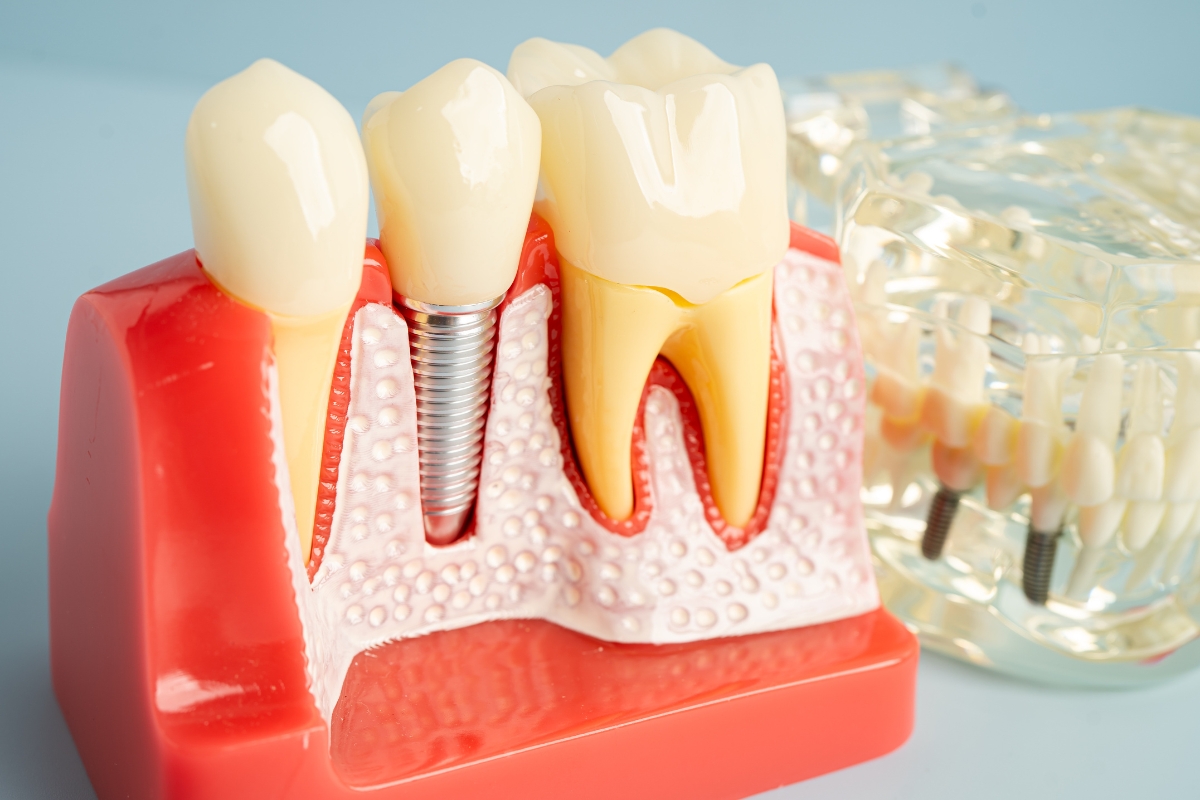
Losing a tooth can feel unsettling and if you’re wondering what comes next, you’re not alone. One of the most common questions patients ask is: “How soon can I get a dental implant after losing a tooth?” The good news is that modern implant dentistry offers flexible options, and with the right guidance, you can restore your smile sooner than you might think.
Whether your tooth was lost due to injury, decay, or extraction, a dental implant remains one of the most reliable, long-lasting solutions available today. At St. Andrews Dental Center in Panama City, FL 32405, we help patients navigate this process with clarity, compassion, and expert care.
Why Timing Matters When It Comes to Dental Implants
The timing of your dental implant procedure is more than just scheduling it directly affects the success of the implant and the health of your surrounding bone and gum tissue.
When a tooth is lost or removed, the jawbone beneath it begins to deteriorate. Without a tooth root stimulating the bone, the body gradually reabsorbs it. This process, called bone resorption, can begin within just a few weeks of tooth loss.
That’s why acting in a timely manner while not rushing the healing process is key to getting the best outcome.
The Different Timelines for Getting a Dental Implant
Not every patient follows the same timeline. Your dentist will evaluate your unique situation to determine what’s right for you. Here’s a breakdown of the most common approaches:
Immediate Implant Placement (Same Day as Extraction)
In some cases, a dental implant can be placed on the very same day as a tooth extraction. This is called an immediate implant, and it’s a great option when:
- The extraction site has no active infection
- There is sufficient bone density and volume
- The surrounding gum tissue is healthy
Immediate placement reduces the total treatment time and can help preserve the bone structure. However, not every patient is a candidate your dentist will assess whether this is the right approach for you.
Early Implant Placement (4–8 Weeks After Extraction)
Early implant placement typically happens four to eight weeks after tooth loss or extraction. By this point:
- Soft tissue (gums) has had time to heal
- Initial bone healing has begun
- Risk of infection is significantly reduced
This window is a popular middle ground the site is stable enough for implant placement, but not so much time has passed that major bone loss has occurred.
Delayed Implant Placement (3–6 Months After Extraction)
For many patients, waiting three to six months is the recommended approach. This timeline allows the bone to fully heal and consolidate, creating a solid foundation for the implant.
This is especially common when:
- The tooth was removed due to infection or gum disease
- The extraction involved a complex surgical removal
- The patient needs to address other oral health concerns first
Late Implant Placement (More Than 6 Months After Extraction)
If a year or more has passed since tooth loss, a dental implant is still possible but additional steps may be needed. Significant bone resorption may require a bone graft to rebuild the area before the implant can be placed successfully.
A bone graft is a straightforward procedure that adds bone material to the site, encouraging the body to regenerate healthy bone. While it adds time to the process, it makes implant placement viable for patients who’ve waited longer.
Factors That Influence Your Dental Implant Timeline
Every patient is different. Here are the key factors your dentist in Panama City will consider when recommending your implant timeline:
- Overall oral health: Gum disease or decay in adjacent teeth must be treated first
- Bone density and volume: Adequate bone is essential for implant stability
- Medical history: Conditions like diabetes or osteoporosis can affect healing
- Smoking: Tobacco use slows healing and increases the risk of implant failure
- Age: Implants are generally not recommended until jaw growth is complete (late teens to early adulthood)
- Medications: Some drugs, including blood thinners and certain bone medications, may affect candidacy
During your consultation at St. Andrews Dental Center, your dentist will review all of these factors and create a customized treatment plan just for you.
What to Expect During the Dental Implant Process
Understanding each stage of the process can help reduce any anxiety and set realistic expectations.
Step 1: Consultation and Evaluation Your dentist will take X-rays or 3D scans to assess your bone structure, evaluate your gum health, and discuss your goals and medical history.
Step 2: Preparatory Procedures (If Needed) This may include tooth extraction, bone grafting, or treatment for gum disease all designed to create the optimal environment for a successful implant.
Step 3: Implant Placement The titanium implant post is surgically placed into the jawbone. This is done under local anesthesia, and most patients report minimal discomfort during the procedure.
Step 4: Osseointegration (Healing Phase) Over the next three to six months, the implant fuses with the jawbone in a process called osseointegration. This is what gives dental implants their exceptional stability and strength.
Step 5: Abutment and Crown Placement Once the implant has fully integrated, an abutment (connector piece) is attached, followed by a custom-made dental crown that matches the color and shape of your natural teeth.
The result? A fully functional, natural-looking tooth that can last a lifetime with proper care.
Why Choose a Dental Implant Over Other Options?
While dentures and bridges are viable alternatives, dental implants offer unique long-term advantages:
- Preserve jawbone: The only tooth replacement option that stimulates the bone
- Look and feel natural: Designed to blend seamlessly with your smile
- No slipping or adhesives: Implants are permanently anchored in place
- Long-lasting: With proper care, implants can last 20 years or more
- Protect adjacent teeth: No need to alter neighboring teeth as with a bridge
For patients in Panama City, FL, a dental implant from an experienced dentist can be a life-changing investment in both oral health and quality of life.
Take the First Step Toward Restoring Your Smile
If you’ve recently lost a tooth or if it’s been a while there’s no better time to explore your options. The sooner you consult with a qualified dentist, the more choices you’ll have and the better your outcome is likely to be.
Contact us today for your appointment at St. Andrews Dental Center, proudly serving Panama City, FL 32405, and surrounding communities. Our team is here to answer your questions, walk you through your options, and help you reclaim the confidence of a complete, healthy smile.
Questions Patients Often Ask About Dental Implants
Does getting a dental implant hurt?
Most patients are surprised by how comfortable the procedure is. It’s performed under local anesthesia, so you won’t feel pain during placement. Some mild soreness and swelling are normal in the days following surgery, but this is easily managed with over-the-counter pain relievers and typically resolves quickly.
How long does the entire dental implant process take from start to finish?
The timeline varies depending on your individual situation, but most patients complete the full process in three to nine months. If bone grafting is needed, this may add a few months to allow for proper healing before implant placement.
Can I get a dental implant if I’ve had bone loss in my jaw?
Yes, in many cases you still can. Bone grafting can rebuild the lost bone and create a solid foundation for an implant. Your dentist will evaluate the extent of the bone loss and recommend the most appropriate approach during your consultation.
Is a dental implant a good option if I’m older?
Absolutely. Age alone is not a barrier to getting a dental implant. As long as you are in reasonably good overall health and have adequate bone structure (or are a candidate for bone grafting), implants can be an excellent solution for older adults who want a permanent, stable tooth replacement.
How do I care for a dental implant after it’s placed?
Implants are cared for just like your natural teeth regular brushing, flossing, and routine dental check-ups are all you need. There are no special cleaning solutions or removal steps required. With consistent oral hygiene and regular visits to your dentist in Panama City, your implant can last for decades.