
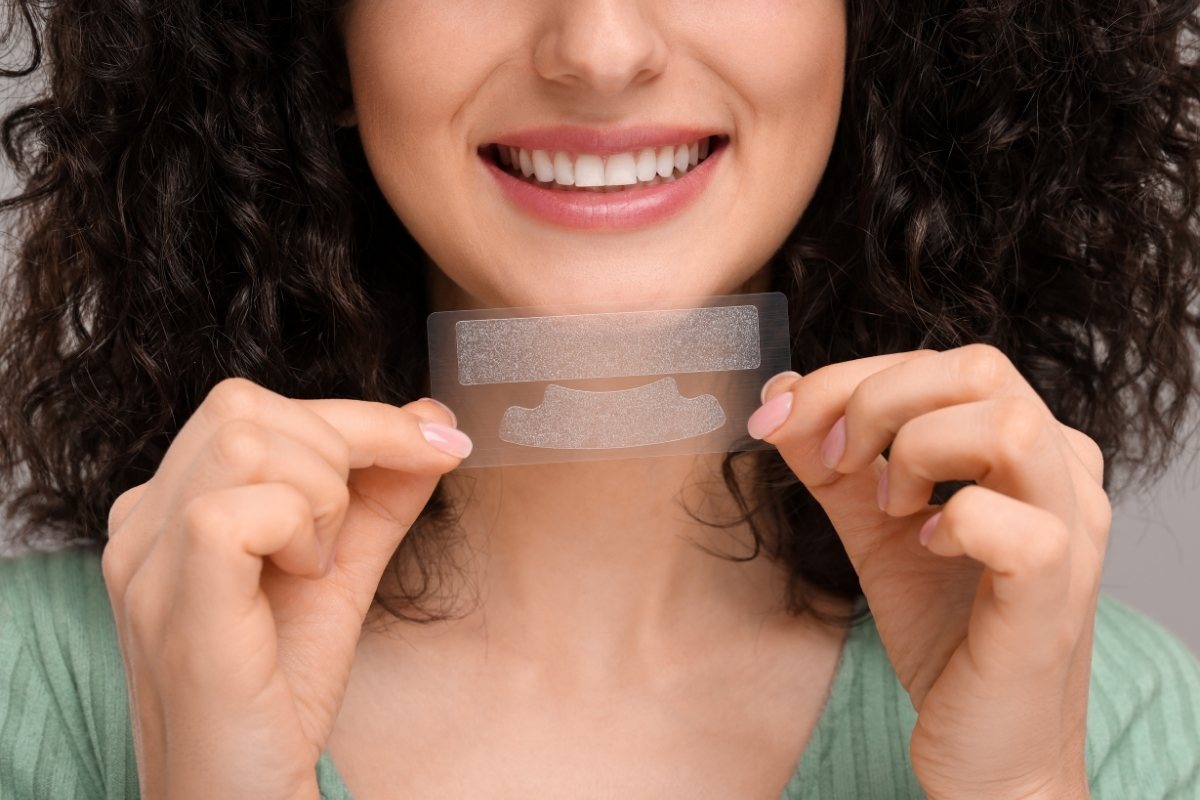
Many people want a bright smile, but for those with sensitive teeth, the journey to achieving whiter teeth can feel challenging. Over-the-counter products like teeth whitening strips are popular, but patients often ask whether they are safe and effective for sensitive smiles. Understanding how these strips work, their potential side effects, and safer alternatives can help you make the right choice for your oral health.
What Kind of Teeth Whitening Is Best for Sensitive Teeth?
For people with sensitive teeth, whitening treatments need to be gentle. Options like professional whitening supervised by a dentist, custom-fitted trays, or enamel-safe whitening gels may be better than generic strips. These methods use controlled concentrations of whitening agents and often include desensitizing elements that minimize discomfort while delivering noticeable results. Consulting your dentist ensures you get the right approach tailored to your smile.
How Do I Fix Sensitive Teeth from Whitening Strips Instantly?
If you experience discomfort after using whitening strips, stop using them immediately. Rinse your mouth with lukewarm water and use a toothpaste for sensitive teeth. Fluoride rinses can also help strengthen enamel and reduce pain. For lasting relief, schedule a checkup with your dentist to ensure there are no underlying problems such as enamel erosion or gum recession.
Why Do My Teeth Hurt Badly After Using Whitening Strips?
Teeth sensitivity after whitening usually happens when peroxide, the active ingredient in whitening strips, penetrates the enamel and reaches the inner layers of your tooth. This can irritate the nerves, causing pain. Patients with already thin enamel or gum issues are more likely to feel discomfort. If pain becomes intense, seek care from a dental office in Panama City, where professionals can examine the cause and provide safer whitening alternatives.
Do Whitening Strips Work for Sensitive Teeth?
Yes, teeth whitening strips can lighten stains on sensitive teeth, but the success rate varies. Strips often provide mild to moderate results compared to in-office whitening. For patients with sensitivity, consistency and professional supervision matter most. Using strips too frequently can worsen sensitivity, so balance is key. In cases where sensitivity becomes a dental urgency, professional options such as desensitizing treatments or gentler whitening methods may be more effective.
Professional Guidance for Safe Whitening
When in doubt, always consult your dentist before starting whitening treatments. An experienced dentist can assess whether your enamel and gums are healthy enough for whitening. They may recommend professional-strength fluoride or other treatments to protect teeth before whitening. Choosing professional teeth whitening treatment ensures safer, longer-lasting results without unnecessary discomfort.
If you have a sensitive smile and want to explore whitening options, start by seeking expert advice. At St. Andrews Dental Center, Dr. Justin Smith and his team provide personalized care to help you achieve a brighter smile safely. Whether you want to know more about teeth whitening treatment or need professional alternatives to strips, we are here to guide you. Contact us today to book an appointment and get started on a confident, comfortable smile.