
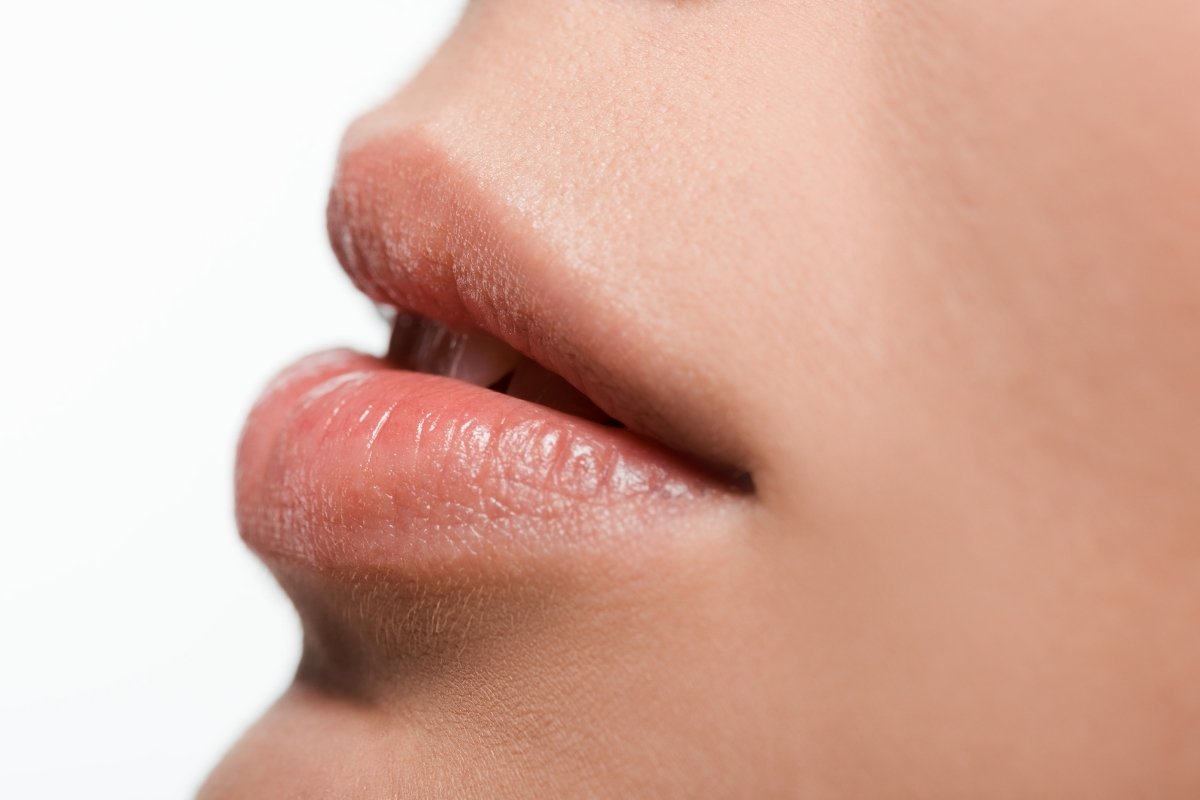
A swollen lip can be concerning and uncomfortable, but understanding the cause behind it can help you address the issue effectively. Whether it’s caused by an allergic reaction, injury, or an infection, swelling in and around your lips can result from a variety of conditions. In this city, many residents are familiar with the summer months, when pollen or insect bites may lead to sudden swelling. In this blog, we’ll explore the different causes of lip swelling and the treatment options available. Learn when it’s time to seek professional care from a professional care provider.
Common Causes of Lip Swelling
Lip swelling may seem sudden, but it can be a sign of various underlying issues. Let’s take a closer look at some common causes:
Allergic Reactions
An allergic reaction on the lips is one of the most frequent reasons for swelling. This can occur due to food allergies, bee stings, or even environmental factors like pollen in the air around the city during spring and summer. When your body reacts to an allergen, it releases histamines, which can cause your lips to swell.
- Treatment: Over-the-counter antihistamines can help reduce swelling. However, if the swelling is severe or accompanied by breathing difficulties, seek immediate medical care.
Infection or Inflammation
Infections like cold sores, herpes simplex virus, or bacterial infections can cause lip swelling and allergic reactions. These are often associated with redness, tenderness, or even blisters. Cold sores are particularly common in warm, humid environments like Panama City, where exposure to the sun and high humidity may trigger outbreaks.
- Treatment: Antiviral or antibiotic therapies can help control infections. Keeping your lips moisturized and avoiding touching the infected area will aid in quicker recovery.
Trauma or Injury
Swelling due to trauma, such as biting your lip, an accident, or an insect bite, is another common cause. Suppose you’ve been involved in an incident like an accident during a visit to one of the nearby beaches or sports activities. This could be the reason behind your inflamed lip allergy.
- Treatment: Apply ice to reduce swelling. If the injury involves broken skin or severe trauma, consult a healthcare professional for further treatment.
Dental Issues
Sometimes swollen lips are caused by dental issues like tooth infections or abscesses, which can lead to swelling and pain in the surrounding areas, including the lips. If you have dental problems, your mouth may feel tender, and your lips may appear swollen due to the proximity of infected tissue.
- Treatment: A visit to your dentist will help diagnose and treat the dental issue causing the swelling. Antibiotics or other dental interventions may be necessary.
Hormonal Changes
In some cases, hormonal changes, particularly in women, can lead to temporary lip swelling. This can happen during pregnancy, menstruation, or menopause due to changes in fluid retention and inflammation in the body.
Treatment: In many cases, this type of swelling resolves on its own. However, if the swelling is persistent or accompanied by other symptoms, it’s best to consult with a doctor.
Environmental Factors
Hot weather, sunburn, or even extreme cold can lead to swollen lips, particularly for individuals spending time outdoors, as many do in this city. The elements can cause irritation and inflammation, which manifests as swollen lips.
- Treatment: Protect your lips with SPF lip balms during the day and hydrating ointments in cold weather.
Why Is My Lip Swollen on One Side?
If you notice that only one side of your lip is swollen, it could point to a few specific causes:
- Infection: A localized infection can cause swelling only on one side.
- Injury or Trauma: A hit or bite on one side of the lip will result in swelling on that side.
- Allergic Reaction: An allergy affecting only one side of the face may lead to one-sided lip swelling.
If the swelling doesn’t go down after a few days or worsens, it’s time to seek professional care.
Effective Treatments for Swollen Lips
If you’re experiencing lip swelling, it’s important to choose the right treatment based on the cause. Here are some general treatments that may help:
Cold Compress
Using a cold compress can help reduce swelling caused by trauma or allergic reactions. Apply ice wrapped in a cloth to the swollen area for 10-15 minutes every hour.
Medications
Antihistamines, antibiotics, or antivirals may be necessary depending on whether the swelling is due to an allergic reaction, infection, or other underlying causes.
Hydration and Rest
For mild cases, staying hydrated and avoiding sun exposure may help alleviate the swelling over time.
Seek Professional Care with Us
If your lip swelling allergy is linked to a dental issue or persistent reactions, visit St Andrews Dental Center. Our team provides comprehensive dental care and can diagnose any underlying causes of your swelling. If you need personalized care, schedule a consultation today!
Frequently Asked Questions
- Can I treat lip swelling at home?
Mild swelling can be treated with a cold compress and over-the-counter antihistamines. If the swelling is severe or caused by infection, seek professional care.
- What foods can cause lip swelling?
Common allergens like nuts, shellfish, or dairy can trigger allergic reactions that lead to lip swelling.
- Should I be worried if only one side of my lip is swollen?
Not necessarily. Swelling on one side can occur from an injury or localized infection. However, if it doesn’t improve, consult a healthcare professional.
- How can I prevent lip swelling from allergies?
Avoid known allergens and use allergy medications like antihistamines to prevent swelling. Always consult your doctor for specific advice.
- What should I do if my lip swelling is due to a cold sore?
Cold sores can cause swelling and discomfort. Antiviral treatments can reduce the severity and duration of symptoms.
- Can I wear lipstick with swollen lips?
It’s best to avoid makeup on swollen lips as it may cause further irritation. Instead, apply a soothing balm.
- When should I see a doctor for lip swelling?
If the swelling doesn’t improve within 2-3 days or if it’s accompanied by fever, severe pain, or difficulty breathing, seek medical attention immediately.