
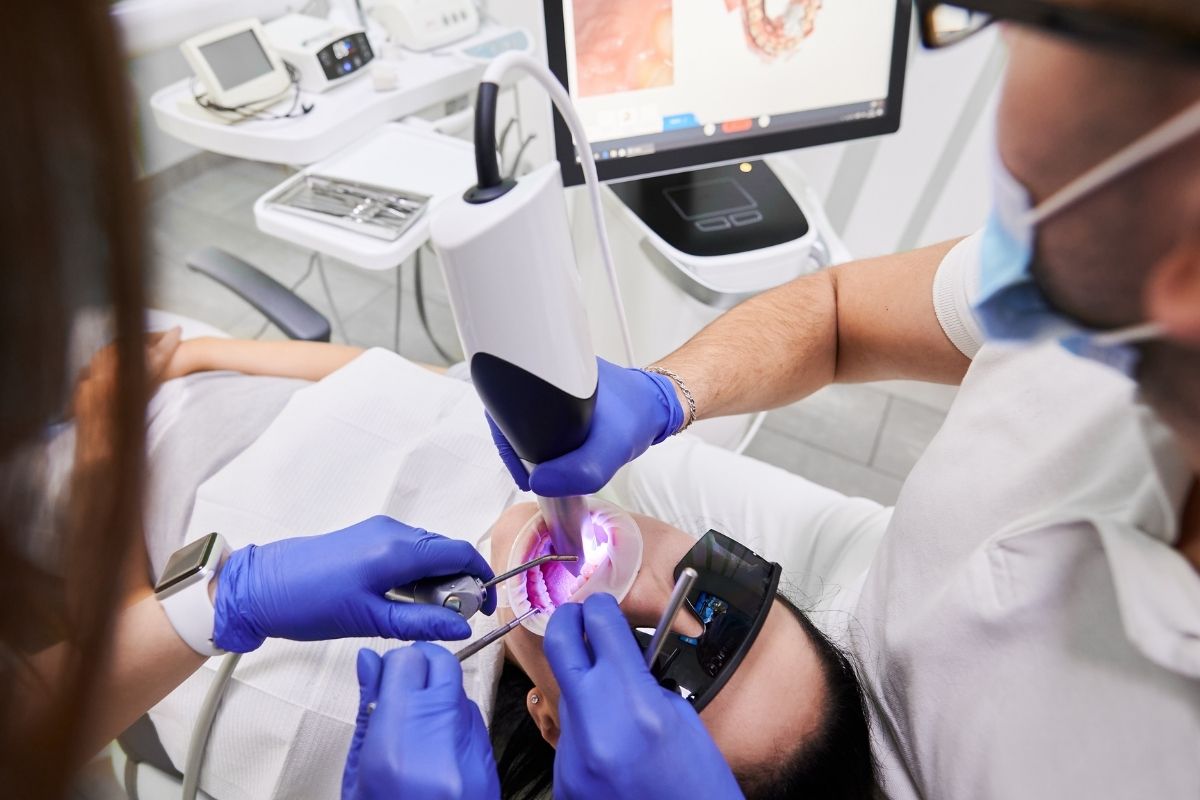
Tooth discomfort can be easy to ignore if it comes and goes. But small changes in how your teeth feel may be early warning signs of decay. Many people searching for dental fillings in Panama city are unsure whether their symptoms truly require treatment. In Panama City and surrounding communities like Lynn Haven and Callaway, cavities remain one of the most common oral health issues among both children and adults. Recognizing the signs of tooth decay early can help you address the problem before it becomes more serious.
What Is Tooth Decay?
Tooth decay occurs when bacteria in your mouth break down sugars and starches from food. This process produces acids that gradually wear away the protective enamel layer of your teeth. Over time, this erosion creates a small hole known as a cavity.
Decay can develop on:
- The chewing surfaces of back teeth
- Between teeth
- Along the gumline
- Around old dental work
In its earliest stage, tooth decay may not cause any noticeable symptoms. That’s why understanding subtle warning signs is so important.
Early Signs You May Need a Filling
Tooth Sensitivity to Hot, Cold, or Sweet Foods
One of the earliest indicators of decay is increased sensitivity. If sipping coffee or eating ice cream causes a quick, sharp sensation, enamel may be thinning and exposing the softer dentin underneath.
Visible White, Brown, or Dark Spots
Early enamel damage often appears as chalky white areas. As decay progresses, these spots may turn brown or black. Visible discoloration should always be evaluated.
A Rough or Pitted Area on the Tooth
Running your tongue over your teeth and feeling a rough patch or small indentation can signal a cavity forming.
Mild Pain When Chewing
Discomfort when biting down may indicate that decay has moved deeper into the tooth structure.
Symptoms of Advanced Decay
When cavities are not treated early, symptoms often become more noticeable.
Persistent Toothache
Ongoing pain—whether dull or sharp—can suggest that decay has reached the inner layers of the tooth.
Lingering Sensitivity
If sensitivity lasts longer than a few seconds after exposure to hot or cold temperatures, the cavity may be progressing.
Swelling or Gum Irritation
Inflammation around a specific tooth may indicate that bacteria have spread beyond the enamel.
At this stage, treatment becomes more urgent to prevent infection.
When Is a Filling Necessary?
Not all early enamel changes require drilling. In very early stages, professional fluoride treatments and improved oral hygiene may help strengthen weakened enamel.
However, if your dentist detects a formed cavity, a filling is the most effective way to:
- Remove infected tooth structure
- Stop decay from spreading
- Restore normal function
- Protect the inner tooth
If your provider recommends Dental filling treatment in Panama City, it typically means the decay has advanced beyond the point where remineralization alone will work.
How to Reduce Your Risk of Cavities
While fillings effectively treat decay, prevention remains the best approach. Protect your teeth by:
- Brushing twice daily with fluoride toothpaste
- Flossing every day
- Limiting sugary snacks and beverages
- Drinking water regularly
- Scheduling routine dental exams
Regular checkups in Panama City allow dentists to detect cavities early, often before you feel any symptoms.
Why Acting Early Matters
Delaying treatment can allow bacteria to penetrate deeper layers of the tooth. What might begin as a small filling can turn into:
- More extensive restorative treatment
- Nerve-related pain
- Risk of infection
Addressing symptoms early typically means simpler care and better long-term outcomes.
Conclusion
If you’re experiencing tooth sensitivity, visible spots, chewing discomfort, or persistent pain, you may need a filling. Cavities do not heal on their own, and early treatment can prevent more serious complications. If you live in Panama City or nearby communities and notice signs of tooth decay, contact St. Andrews Dental Center today to schedule an evaluation. Care can protect your smile and keep your teeth healthy for years to come.