
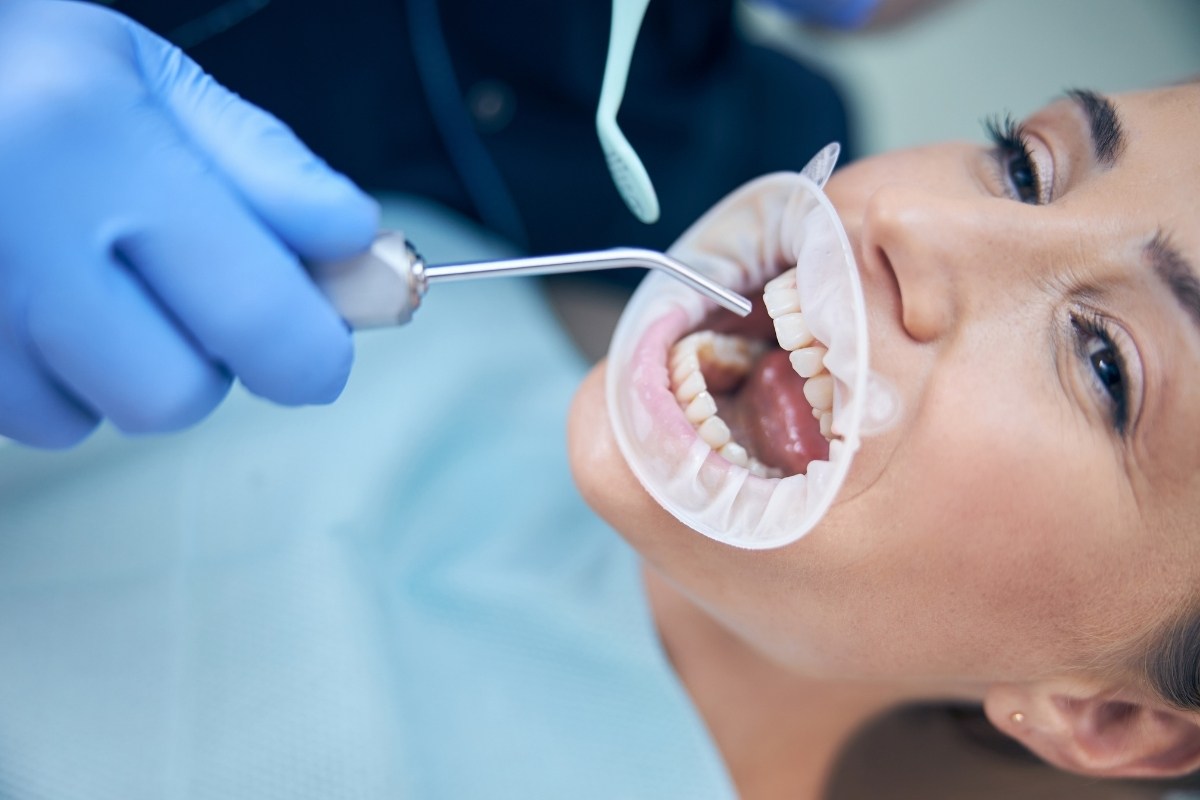
When you go in for a dental treatment, you may notice your dentist using a thin sheet of latex or non-latex material stretched over your teeth. This is known as a rubber dam, and while it may look unusual at first, it serves a very important role in modern dentistry. Many patients wonder why their dentist uses this technique and whether it’s necessary. Let’s break down the purpose of a rubber dam, how it works, and why it benefits both you and your dentist.
What Is a Rubber Dam?
A rubber dam is a flexible, square-shaped sheet designed to isolate one or more teeth during dental procedures. It is typically secured with a small clamp around the tooth, keeping the working area completely dry and protected. Dentists use a special frame to hold the sheet in place, ensuring comfort and stability throughout the treatment.
Why Do Dentists Use Rubber Dams?
Rubber dams have been used in dentistry for decades, and they remain one of the most reliable ways to maintain safety, precision, and cleanliness during treatment. Here are some of the main reasons:
-
Moisture Control
Many dental procedures – like fillings, root canals, or bonding – require a completely dry environment. Saliva and moisture can interfere with the materials used, especially bonding agents or composite resins. The rubber dam keeps the tooth dry, ensuring long-lasting, high-quality results. -
Infection Control
In treatments such as root canal therapy, rubber dams reduce the risk of bacteria entering the tooth. They create a sterile field, which is essential when dealing with delicate inner tooth structures. -
Patient Safety
Rubber dams prevent small instruments, debris, or dental materials from accidentally falling into the mouth or being swallowed. This provides extra safety and peace of mind for patients. -
Improved Access and Visibility
By isolating the tooth, dentists have better visibility and access to the treatment site. This enhances precision and efficiency, making procedures smoother and more comfortable for both the patient and the provider. -
Comfort for Patients
While it may seem restrictive at first, many patients find that rubber dams actually make treatments more comfortable. They don’t have to worry about water, debris, or chemicals coming into contact with the rest of their mouth.
Common Procedures That Use Rubber Dams
Rubber dams are not used for every dental appointment, but they are essential in certain treatments. Some of the most common include:
-
Root Canal Therapy – Keeps the tooth sterile and isolated.
-
Composite Fillings – Ensures bonding materials set properly in a dry environment.
-
Crown Preparation – Provides visibility and protection.
-
Teeth Whitening (in-office) – Prevents bleaching agents from irritating soft tissues.
Patient Experience with Rubber Dams
If you’ve never had a rubber dam placed, you might be curious about the process. Placement usually takes just a few minutes. The dentist will select the correct clamp for your tooth, position the dam, and secure it with a frame. Most patients adjust quickly, and it makes the procedure safer and more efficient.
Final Thoughts
Rubber dams are one of the simplest yet most effective tools in modern dentistry. They protect patients, improve treatment outcomes, and allow dentists to work with precision. Next time you notice one being used, you can rest assured that your dentist is prioritizing your safety and comfort.
If you’d like to learn more about advanced dental treatments, schedule a consultation with trusted Panama City dentists who use modern techniques to ensure top-quality care. We welcome you to visit our dental office and experience patient-focused dentistry with comfort and confidence.
FAQs
1. Does the rubber dam hurt?
No, the rubber dam itself doesn’t cause pain. You might feel a little pressure from the clamp, but it’s generally very comfortable.
2. Can everyone use a rubber dam?
Yes, though patients with certain sensitivities (like latex allergies) will be given non-latex alternatives.
3. How long does it take to place a rubber dam?
It usually takes only a few minutes and is removed as soon as the procedure is complete.
4. Why don’t dentists use rubber dams for every treatment?
They’re most beneficial in procedures requiring moisture control or infection prevention, so they may not be necessary for routine cleanings or exams.
5. Is it hard to breathe or swallow with a rubber dam?
No, you can still breathe comfortably through your nose, and saliva is managed by the dentist during treatment.