
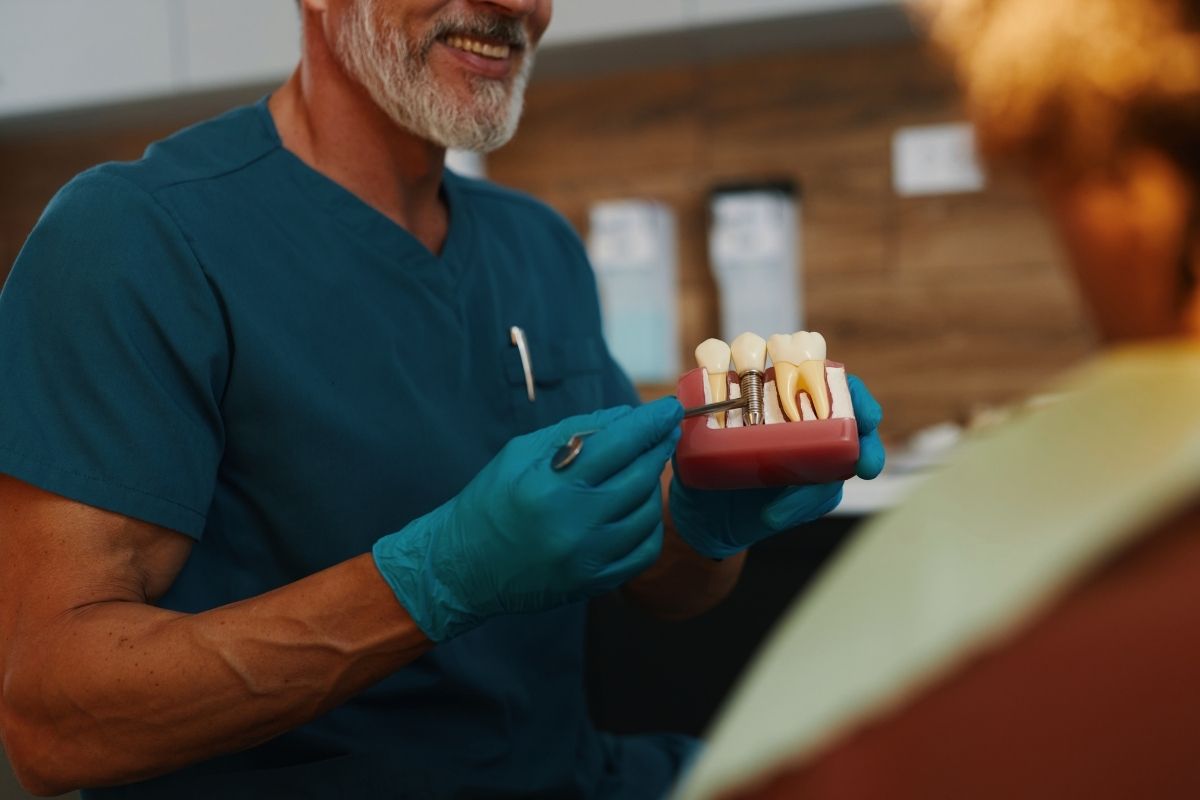
Missing teeth can affect much more than your smile. They may change the way you eat, speak, and feel about your appearance. Many patients in Panama City and nearby areas like Lynn Haven, Callaway, and Panama City Beach are now exploring long-term tooth replacement options that look and function naturally. Understanding the type of dental implants available today can help you make a more informed decision about your oral health and future comfort.
Dental implants are designed to replace missing tooth roots and support restorations such as crowns, bridges, or dentures. Because every patient has different needs, several implant options may be recommended depending on bone health, the number of missing teeth, and overall treatment goals.
Why Dental Implants Continue to Be a Trusted Solution
Dental implants have become one of the most reliable ways to restore missing teeth because they are designed to integrate with the jawbone. Unlike removable appliances, implants provide stability and help maintain the natural structure of the mouth.
Patients often choose implants because they can:
- Improve chewing ability
- Help preserve jawbone density
- Support long-term oral health
- Create a natural-looking smile
- Prevent nearby teeth from shifting
According to the American Dental Association, implants are considered a predictable and effective option for many healthy adults with missing teeth.
Understanding the Most Common Implant Option
One of the most widely used solutions today is the endosteal implant. These implants are typically made from titanium and placed directly into the jawbone. Once healing occurs, a custom restoration is attached to complete the smile.
This option is often recommended for patients who have:
- Healthy gums
- Adequate bone support
- One or multiple missing teeth
- Good overall oral health habits
Endosteal implants are popular because they closely mimic natural tooth roots and offer long-lasting stability. In many cases, they can support individual crowns or larger restorations like bridges.
When Bone Loss Changes the Treatment Approach
Not every patient has enough jawbone density for traditional implant placement. Bone loss can happen after teeth have been missing for a long time, especially in the upper jaw.
For these situations, dentists may discuss alternative treatment methods that avoid extensive bone grafting procedures.
Subperiosteal Implants
Subperiosteal implants sit above the jawbone but beneath the gum tissue. Instead of being inserted into the bone, they use a metal framework that supports replacement teeth.
This option may be considered for patients who:
- Have experienced moderate bone loss
- Prefer a less invasive procedure
- Cannot undergo bone grafting
Although less common today, subperiosteal implants can still be useful in select cases.
Zygomatic Implants
Zygomatic implants are more advanced and are usually reserved for severe upper jaw bone loss. These implants anchor into the cheekbone rather than the jawbone.
Because this procedure is more complex, it is generally recommended only when traditional methods are not possible. Patients considering this option typically undergo detailed imaging and advanced treatment planning.
Replacing Several Missing Teeth at Once
Some patients are missing multiple teeth in a row or even a full arch. In these situations, implant-supported restorations may provide better stability than removable dentures.
Implant Bridges
An implant-supported bridge replaces several adjacent missing teeth without requiring an implant for every missing tooth. Instead, implants are strategically placed to support a bridge restoration.
This option can help patients:
- Restore chewing efficiency
- Maintain facial support
- Avoid placing stress on natural teeth
- Enjoy a more secure fit than traditional bridges
Implant bridges are commonly recommended when several neighboring teeth are missing.
Implant-Retained Dentures
Patients missing most or all of their teeth may benefit from implant-retained dentures. These dentures attach securely to implants for improved stability while remaining removable for cleaning.
Compared to traditional dentures, implant-retained dentures often provide:
- Better retention
- Reduced slipping during speaking or eating
- Improved comfort
- Increased confidence in daily activities
Many individuals exploring dental implants in Panama city ask about implant-retained dentures because they offer a balance between convenience and function.
What the Treatment Process Usually Looks Like
Although every treatment plan is personalized, the implant process generally follows several important steps.
Initial Evaluation
The first appointment usually includes:
- A detailed oral examination
- Digital imaging or CT scans
- A discussion about health history
- Evaluation of bone support
This helps determine whether implants are a suitable option and which approach may work best.
Implant Placement
During the surgical phase, the implant post is carefully inserted into the jawbone. Modern planning technology allows for highly precise placement and improved comfort during the procedure.
Healing time varies, but the implant typically needs several months to fuse with the bone through a process called osseointegration.
Final Restoration
After healing is complete, the final restoration is attached. Depending on the treatment plan, this may include:
- A crown
- A bridge
- A denture
- A full-arch restoration
The finished result is designed to blend naturally with the surrounding teeth and restore everyday function.
Factors That Help Determine the Best Option
Choosing the right implant solution depends on several personal factors. Your dentist will evaluate:
- The number of missing teeth
- Jawbone density
- Gum health
- Lifestyle habits
- Overall medical history
- Long-term goals
For example, someone missing one tooth may benefit from a single implant crown, while another patient with full tooth loss may need a full-arch solution.
Patients who smoke or have uncontrolled health conditions may also require additional planning to support healing and long-term success.
Caring for Dental Implants Long-Term
Dental implants are designed to be durable, but long-term success still depends on proper care. Good oral hygiene habits remain essential even after treatment.
Patients are usually encouraged to:
- Brush twice daily
- Floss carefully around restorations
- Attend routine dental visits
- Avoid chewing hard objects
- Maintain healthy gum tissue
With proper maintenance, many implant restorations can last for many years.
Conclusion
Dental implants offer several modern solutions for replacing missing teeth, whether you need to restore one tooth or an entire smile. The right option depends on your oral health, bone structure, and personal treatment goals. Learning about the different implant approaches can help you feel more confident when discussing care with your dentist.
If you are considering tooth replacement options in the Panama City area, contact St. Andrews Dental Center to schedule a consultation and learn which implant solution may best fit your needs and lifestyle.