
Losing a tooth can affect your ability to eat comfortably, speak clearly, and feel confident about your smile. Many patients in Panama City and surrounding areas like Lynn Haven, Callaway, and Parker want to know exactly what happens during implant treatment before starting care. Understanding each phase can help you feel more prepared and less anxious about treatment.
Modern tooth replacement procedures are carefully planned to restore both function and appearance while supporting long-term oral health. From the first consultation to the placement of the final crown, every stage serves an important purpose. If you have been researching the dental implant process, learning what to expect step by step can help you make informed decisions about your smile.
A Closer Look at How Treatment Begins
The first step is a comprehensive dental evaluation. During this appointment, the dentist examines your teeth, gums, and jawbone to determine whether implants are the right option for you.
Digital X-rays or 3D imaging may be used to assess bone density and identify the ideal placement for the implant. Your dentist will also review your medical history and discuss any oral health concerns that could affect healing.
Several factors are typically evaluated, including:
- Gum health
- Jawbone strength
- Missing or damaged teeth
- Bite alignment
- Oral hygiene habits
This consultation is also the time to ask questions and learn more about the expected treatment timeline.
Preparing the Mouth Before Implant Placement
Not every patient is immediately ready for implant surgery. Some individuals may require preparatory procedures to create a healthy foundation for treatment.
Removing a Damaged Tooth
If a severely damaged or decayed tooth is still present, it may need to be extracted first. Once the tooth is removed, the area is allowed to heal before moving forward with implant placement.
Bone Grafting When Additional Support Is Needed
Patients who have experienced bone loss may need a bone graft before implants can be placed successfully. Bone grafting helps rebuild the jawbone and improve support for the future implant.
Healing after a graft can take several months, depending on the amount of bone needed and the body’s natural healing response.
Placing the Implant Into the Jawbone
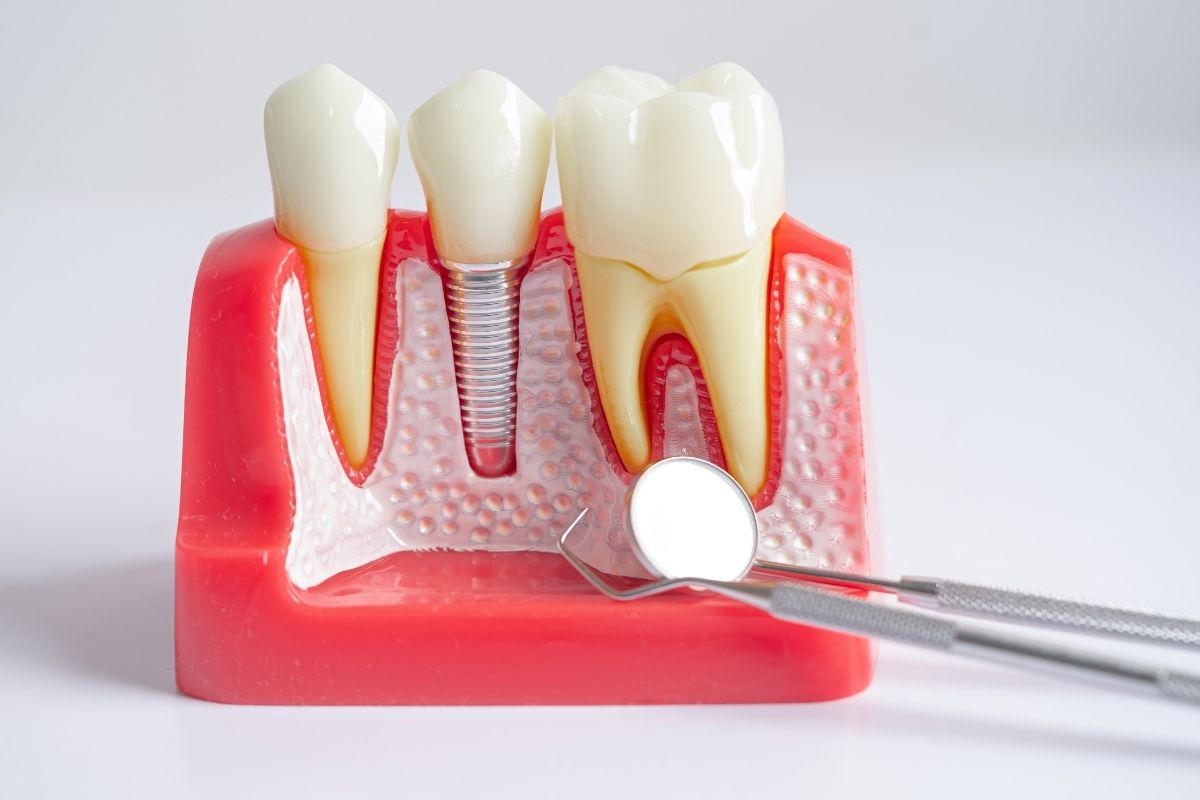
The surgical phase involves placing a small titanium post into the jawbone. This post acts like an artificial tooth root and creates the foundation for the replacement tooth.
The procedure is usually completed under local anesthesia, and some patients may choose sedation options for additional comfort.
After the implant is placed, the surrounding gum tissue begins healing. In some situations, a temporary restoration may be provided while the implant integrates with the bone.
Patients exploring dental implants in Panama City are often relieved to learn that implant surgery is a routine procedure focused on precision, comfort, and long-term stability.
Why Healing Time Is So Important
One of the most critical stages of treatment happens after surgery. During this period, the jawbone naturally fuses with the implant through a process called osseointegration.
This bonding process helps create a stable and durable foundation for the final restoration. Healing times vary from patient to patient, but many people require several months for complete integration.
During recovery, patients are usually encouraged to:
- Eat softer foods initially
- Maintain gentle oral hygiene
- Attend scheduled follow-up visits
- Avoid smoking or tobacco use
- Follow all aftercare instructions carefully
Proper healing is essential for long-term implant success.
Attaching the Connector Piece
Once the implant has successfully bonded with the jawbone, the next step is to place the abutment. The abutment is a small connector that attaches the implant to the final crown.
This stage is generally less involved than the initial surgery. After placement, the gum tissue may need a short period to heal around the abutment before impressions are taken for the permanent restoration.
These impressions help ensure the final crown fits naturally and comfortably alongside surrounding teeth.
Creating the Final Crown
The crown is the visible part of the restoration that looks like a natural tooth. It is custom-made to match the shape, size, and color of nearby teeth for a seamless appearance.
Dental laboratories use detailed scans or impressions to craft a restoration designed specifically for your smile.
Once the crown is ready, it is securely attached to the abutment. Your dentist will check the fit and bite alignment to ensure comfortable function when speaking and chewing.
For many patients, this is the most rewarding part of the process because it completes the smile restoration.
Understanding the Overall Timeline
The complete treatment timeline can vary based on several factors, including:
- Whether tooth extraction is needed
- Bone graft healing time
- Number of implants placed
- Overall oral health
- Individual healing response
Some patients complete treatment more quickly, while others may need additional healing time between stages.
Although the process requires patience, implants are designed to provide long-term support and stability for replacement teeth.
Caring for Your Implant After Treatment
Good oral hygiene habits are essential for maintaining implant health. While the implant itself cannot develop cavities, healthy gums and surrounding bone are still necessary for long-term success.
Patients are commonly advised to:
- Brush twice daily
- Floss carefully around restorations
- Visit the dentist regularly for cleanings
- Avoid tobacco products
- Wear a nightguard if teeth grinding occurs
Consistent care helps protect the implant and surrounding tissues for years to come.
Questions Patients Commonly Ask
Is Implant Surgery Painful?
Most patients report mild discomfort rather than significant pain. Local anesthesia helps numb the area during treatment, and recovery instructions are provided to help manage soreness afterward.
How Long Do Implants Last?
With proper care and regular dental visits, implants can remain functional for many years.
Can Implants Replace More Than One Tooth?
Yes. Implants can support single crowns, bridges, or larger restorations, depending on the number of missing teeth.
Restoring Function and Confidence
Dental implants are designed to restore more than just appearance. They can improve chewing ability, support clearer speech, and help maintain jawbone health after tooth loss. Understanding each step of treatment allows patients to feel more comfortable and informed before beginning care.
If you would like to learn more about whether implant treatment may be right for your smile, contact St. Andrews Dental Center to schedule a consultation and receive personalized guidance from an experienced dental team.